
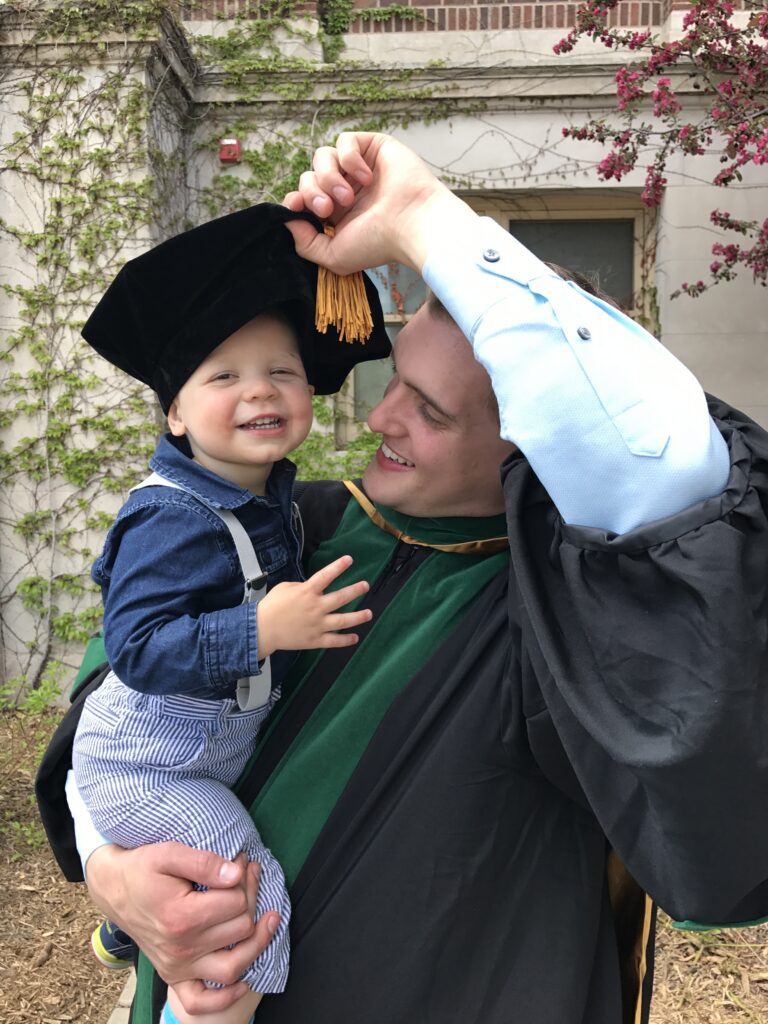
I’m going to let you in on a secret. We doctors are thieves.
Well, not really. But we did steal one big thing: Our name.
Doctor was not originally meant for “Person who heals the body through various means.” We have a specific word for that: Physician. Doctor originally meant “Teacher,” and specifically, a teacher at the highest level. This truth is at the core of my approach to medicine.
My job is not to tell patients what to do. My job is to inform them – to teach them – about the way that their body works and what I believe to be the best approach to fixing whatever issue is confronting us.
How does this play out? Say a patient comes in and their blood pressure is high. Like, really high. 180/100 type of high. I can explain how the elevated pressure in their body’s plumbing system will eventually lead to a blown or clogged pipe (Stroke or heart attack). I can explain how I do not believe it possible for us to get numbers like that down to healthy levels by lifestyle modifications alone. So I suggest medication.
And then the patient tells me that they are deathly afraid of medication. Perhaps it’s because a family member died of a super rare complication from something prescribed to them. Or maybe it’s because they’re generally sceptical of all medications and rarely even take ibuprofen. Or “I don’t like chemicals in my body.” Bonus “irony” points on that last one if the patient smokes tobacco or cannabis. But I digress.
As a physician, I’m faced with a decision. Force a medication on the patient and ruin the Physician-Patient relationship (one of the highest goods in my profession, in my opinion), or meet the patient where they’re at.
So instead of force feeding Valsartan to the patient, we discuss non-medicinal ways to lower blood pressure. Make an exercise prescription. Discuss the DASH and Mediterranean diets. Advise cutting back on alcohol. Talk about sleep hygiene. And I make a follow-up appointment. Who knows? Maybe this patient will fix their severe hypertension with lifestyle modifications alone.
Perhaps the future for this patient includes an early stroke. Maybe it includes taking medication for their blood pressure. Regardless of the future, it’s not my decision to make.
And yes, sometimes after laying out all the options for the patient, they look at me like a deer in headlights. When this happens, I gently ask, “Would you like me to make the decision for you?” and I can see their whole demeanor relax.
A mantra I live by: The best treatment plan is the one the patient will actually do. I can prescribe all the medications I want for a patient, but if they won’t take it, I’ve failed as a physician. Yes, it’s preferred for my patients to not be on any medication at all – but a diabetic needs insulin.
Who gets to determine how a patient manages their health? They do.
But how do they get equipped to make the most informed decision possible? They partner with me, and I get to teach them.
It’s one of the things I love most about my job.